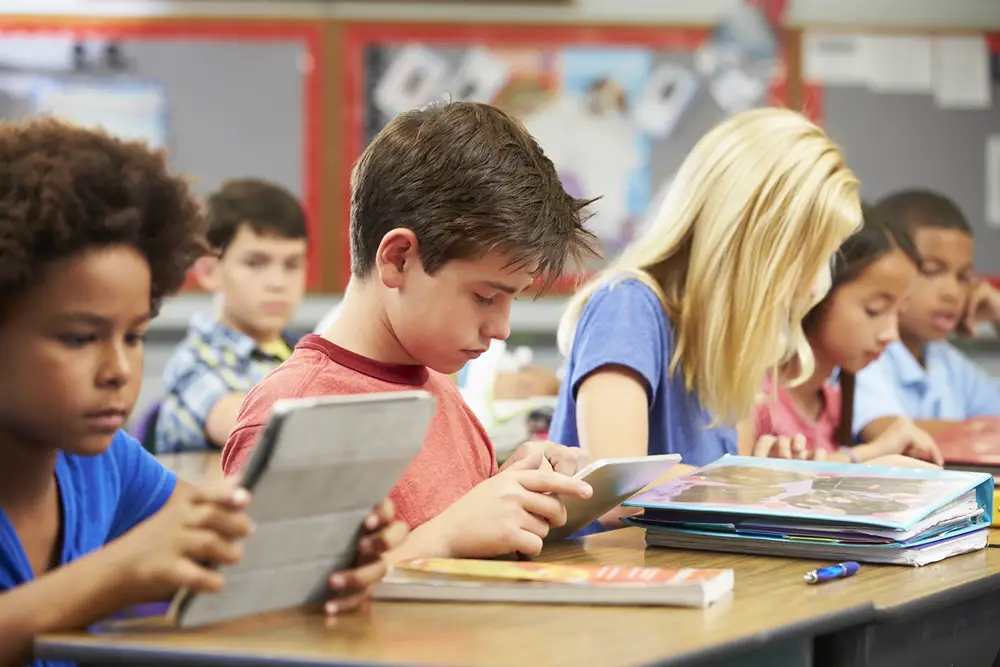
Is Online Therapy for Teens a Viable Solution?

Online Therapy for Teens

The need for mental and behavioral health services among adolescents is high.  If left untreated, even the symptoms of behavioral or mental disorders that drop over time are more likely to return. In the light of these statistics, it is imperative to pay attention to your teen’s mental health and seek the relevant therapeutic solutions whenever necessary.

Studies suggest that the 12-month prevalence of mental disorders among patients aged 13 to 17 is 40.3 percent. Furthermore, teenagers experience high rates of recurrence. Online therapies are a widely-studied and efficacious treatment for various behavioral and mental health conditions among adolescents. But are they a viable solution?

What’s Online Therapy?

Also known as e-therapy, telepsychology, or internet counseling, online therapy allows patients to meet with a professional therapist in a virtual or online setting as opposed to face-to-face meetings in a psychologist’s office. The therapist may communicate through a mobile app, specific website, text message, or email. Online therapy programs can also be done through a video chat.

There are many programs, but all share similar features. Online therapy for teens is offered along with human coaching. This makes the therapy sessions more efficacious than self-guided programs.

Several studies have found that adolescents are more receptive to working with a therapist using computer-based therapy. A 2016 study of adolescents in Australia shows that 72 percent of teenagers said that they would enroll for online therapy if they were battling a mental health issue. 32 percent of the study participants revealed that they would prefer online therapy over face-to-face meetings.

In another study done in 2015, adolescent participants said that they would prefer e-therapy for discussing sexuality and other sensitive issues.

Benefits of e-therapy

There are many reasons you may want to consider e-therapy for your teenager as opposed to traditional therapy. The potential benefits of online therapy include;

Confidentiality

Patients often wonder about patient-therapist data protection in a traditional therapy setting. E-therapy follows the regulations of the Federal Council of Psychology. In other words, your data and conversations between you and the therapist will be secure through encryption. No one will need to know that you’re undergoing therapy. With online therapy care, the patient can carry out the sessions from a location of your choosing.

Time Saver

People who have already undergone face-to-face psychological counseling may have noticed that it takes time to travel to and from a therapist’s office. The client should be at the office before the session starts, and for that, the patient will be spending time in traffic.

With e-therapy, you no longer need to travel long distances. All you need to do is to schedule a therapy session at the best time for you and your therapist. During the session, each of you needs to connect to the internet, and that’s all.

Comfort

For therapy to flow seamlessly, a patient should feel at ease, and for that, there is nothing more comfortable than your favorite spot. Whether you are on a trip or office, you can easily attend your therapy sessions more productively.

Affordability

Most therapists charge less for online therapy sessions because e-therapy sessions have few overhead costs. The therapist may not need to pay staff members, rent office space, and other expenses.  Still, for families who don’t have insurance alternative therapy options for the uninsured, in addition to online therapy, are worth exploring.

How To Prepare Your Teen

Counseling for teens integrates appropriate communication styles and ensures a safe, supportive, non-judgmental environment. These programs help them explore their identities and strengths, teaching them to overcome challenges. They learn how to manage stress, anxiety, and depression effectively and set objective personal and academic goals.

Many programs emphasize building support networks and constructive conflict resolution, improving interactions at home and school. Preparing for online therapy involves the following steps:

  • Explain the Purpose: Clarify why therapy is beneficial and how it can help them address their challenges.
  • Select the Right Therapist: Research therapists who specialize in adolescents and ensure the online platform is secure and user-friendly.
  • Prepare the Environment: Help them find a private, quiet space for sessions and ensure they have the necessary technical setup, such as a reliable internet connection and headphones.
  • Outline the Process: Discuss what they can expect during sessions and how communication will work, including handling any technical issues.
  • Assure Confidentiality: Emphasize that their discussions are private, which may make them feel more comfortable sharing openly.
  • Encourage Openness: Let them express any concerns or expectations they have about therapy. This can help adjust the experience to better suit their needs.
  • Promote Independence: Encourage them to take responsibility for managing their therapy sessions and goals, which can boost their engagement and confidence.
  • Offer Support: Be available to support them without intruding, allowing space for them to navigate their own feelings about therapy.

Don’t forget to check in periodically to ensure the therapy is meeting their needs, encouraging them to reflect on their progress.

Potential limitations of only therapy

There are some drawbacks a parent should consider before enrolling an adolescent in online therapy. Some of these disadvantages include;

  • Technology-related challenges: If your internet connection goes down, the chances are that you won’t connect with the therapist. There is where blended learning therapy can help keep things in check, by combining online tools with in person therapy sessions.
  • Medical insurance may not cover e-therapy services: Though your insurer may cover the cost of in-person treatment services, you may lack coverage for telehealth.
  • Boundaries might get blurred: Sending text messages or chatting online may cause your teenager to think of the therapist as more of a friend than a professional. Such confusion could mean that the treatment will not be effective.
  • Online Burnout:  If you child is already taking classes online, as well as spending a lot of time online for entertainment, be aware of potential online burnout to determine if online therapy is the best solution.

Summary

If you’re planning to enroll your teen in online therapy, first, talk to the child’s doctor. He or she should rule out the underlying health problems that might be causing the mental health issues. The doctor can also advise you about whether online therapy will be an effective solution.

Share This Article

Nervous Before an Exam? Here’s How to Feel More Confident

alleviating test anxiety

It is normal to feel nervous before you go for an exam. Exams are important and they weigh heavily on your final grades. Success in life is often directly related to how you learn to handle pressure in a healthy way. It can help you stay focused, improve productivity and enable you to do your best at whatever you set your mind to.

Experiencing anxiety or stress before an exam is completely normal.  However, if it is excessive it can interfere with the performance of any student no matter how much they have studied and prepared. It has also been referred to as test anxiety. So what should you do if you feel nervous before taking exams? Here are some tips to feeling more confident before a test.

1. Take a break from the books

There is such a thing as over-studying. If you spend too much time studying without a break, it will exhaust your mind and bring about fatigue. Fatigue can lead to a loss of concentration and it affects your memory as well. If your memory gets affected it will lead to frustration as you begin to think you haven’t learned anything at all. When you begin to notice this, realize that stress and anxiety has settled in, causing you to become even more nervous about failing your exam. It’s a sign that it’s time to walk away from the books for a while.

 2. Breathing

Stress can result in nervousness and anxiety and it will affect your breathing pattern as well. Test nerves can also lead to this. Concentrate on slow breathing to help manage your nerves and calm your body.  It can also prevent panic attacks for those who struggle with them. Wait for a moment and take a deep breath. Shut your eyes and take ten deep breaths.  For this situation, having a fidget ring could prove the most useful. Due to the tactile experience of manipulating the ring in one’s hands during stressful times, this type of physical stimulation can help calm the body and mind during anxious moments such as when taking exams. Using fidget rings before exams may prove an ideal way for individuals to take back control in these high-stakes situations.  Simple exercises like these only take a minute but can make a world of difference in calming your mind.

 3. Get light exercise

There is a strong link between a sense of well being and regular exercise. Exercise leads to reduced anxiety and also helps with handling stress. Even while studying, going for a walk or a bike ride can work wonders for your brain and body. Exercise is also responsible for releasing those feel-good endorphins. It takes your mind off nervousness you may feel about upcoming exams. Clinical studies have indicated that regular exercise results in several emotional and psychological advantages that can aid you in gaining more confidence overall. Additional ideas for exercise are jogging, swimming and dancing.

4. Add fuel to the brain

Many times students get caught up in preparation for exams and as a result, they forget about taking care of their bodies. All physiques need food for optimum operation. Even your brain needs energy to work at full capacity.  Nervousness and anxiety can often stem from a lack of proper diet.  Drinking sufficient amounts of water is also important to avoid nervousness and anxiety, along with consuming a well-balanced diet of food that is rich in antioxidants. A light snack and drinking a glass of water while studying can help ease tension.

5. Prepare yourself well

To assist you with your regular studying can also search for online practice tests or study guides to help prepare yourself on the day of an exam.  Online resources can also help you organize your course work and study notes.  It doesn’t matter what level you are at or how old you are, even medical students can get nervous about taking their USMLE step 1 and they need to prepare well before entering the test. Although it might sound obvious, if you are confident about your preparation, you will feel better when walking into any test.  This results in less anxiety which in turn can help you maintain focus.

 6. Sleep

When there is a lot of information floating around in your head it becomes tough to make sense out of it.  Sometimes while studying you may just need to take a break and simply close your eyes. A power nap or even a longer sleep refreshes the brain.  This is why it’s always better for you to spread your studying out over more than one day and not cram it all in at the last minute. Developing good sleep habits on a daily basis is important so that you’re not playing catch up, especially before an exam.  Similar to energy from food your body and brain needs recharging.  A sufficient amount of sleep every night is important. Lack of sleep can lead to much negativity such as lower affability, memory issues, depression, and anxiety.

7. Music

Research has shown that listening to music can reduce anxiety and blood pressure and even improve sleep quality, mental alertness and memory.  Other studies have also shown that it is not just one particular type of music, but music that the listener enjoys.  Therefore, it’s the enjoyment of the music that counts to open up your brain and reduce your stress level.  It probably not a good idea to listen to music constantly while studying, but it can be a healthy way to do it in moderation and definitely a good thing to do give your mind a break.  I can also calm your nerves just before taking a test.

Resources for Teachers and Parents

Share This Article

Fun Ways to Limit Kids’ Screen Time

Fun Ways to Limit Kids' Screen Time

Screen time may be an easy way to keep your child occupied, but too much of it can be detrimental to their physical and mental well being. To effectively limit your child’s screen time, you don’t have to go cold turkey. Instead, find fun activities to keep them busy. It’s all about setting good habits for life, balancing fun between online and offline play.

Statistics show that young kids and teenagers spend an average of 3 hours and 23 minutes a day on their phones. These numbers are worrying, and something needs to be done. Here are a few suggestions to try out.

Create technology-free zones in your home

Select a few rooms in your house where electronics such as mobile phones, laptops, and handheld video games aren’t allowed. This can be the dining area, the kitchen, and bedrooms.

Reserve these rooms for family conversations and resting. Make it part of their and ensure regular routine that you also participate in this to set a good example for your children.

Get them outside

Kids aren’t going out as much as they used to, but a few minutes outside the house will do them a lot of good. Physical exercise increases cognitive function and promotes better sleep, so allow them to run around, ride their bikes, take walks, etc.

A simple drive around the neighborhood is also a great way to get them out of the house for some fresh air.

Play with them

Kids don’t like to feel neglected. Therefore, if you limit their screen time, ensure that you find other ways to keep them occupied. Buy age-appropriate puzzles and board games, and let them play amongst themselves. Toys such as building blocks and dress-up props are also great for young kids. This will keep them busy and entertained for hours on end.

Get crafty

Set up a creation station in your house and let your kids spend an afternoon painting or creating something. Since we can’t see friends and family members right now, challenge them to create cards to send to their friends. After they are done, set up a family gallery and display their pieces.

You can even frame their work and hang it in their rooms. For the older kids, take up a bigger project such as painting, woodworking and redecorating their rooms and do it together.

Motivate them to help around the house

Chores aren’t fun, but they can be depending on how you position them. Children are naturally curious, so take advantage of their “me too” attitude and allow them to help you around the house. When cooking or cleaning, let them participate in the hustle and bustle. Teenagers are not that easy to convince, so create a reward system to encourage them.

Buy them books

Reading can be fun for kids too. Get them age-appropriate storybooks and novels and dedicate a few hours a day where everyone sits down to read.

You can also try storytelling with the younger kids. Stories of adventure and fantasy help boost creativity and imagination in children.

With 53% of UK parents concerned about excessive screen time, you’re not alone. These are only a few suggestions, and there are many more out there you can try, but hopefully this will give you a good place to start.

Share This Article

Keeping Your Creativity Alive with these Fun Ideas

Keeping Creativity Alive - Fun Ideas

You may be wondering why creativity is so important, other than the fact that is it a lot of fun. It is important because being creative can help you see things from a new perspective and solve any problems that you may encounter in your life. Research suggests creative people are more able to deal with uncertainty because they can think outside the box!

How Can Being Creative Help you?

Creativity increases our experiences, which in turn expands our knowledge and opens our eyes to a new way of experiencing the world, having fun, and gaining intuition, and adding spice to our lives. For many people, creativity equals making something – art and crafts, but it isn’t that is defining creativity into a very narrow box, when in fact, the foundations of the word mean to grow.

Essentially humans are born creative. We find ways to navigate life as we grow and discover creativity will give us ways around any obstacles we encounter. Being creative can also be fun. So make time for creative thinking next time you feel overwhelmed by a never-ending to-do list make time for creative thinking. It might be that you discover new ways of getting things done!

Fun Ways to be Creative

Being creative can involve so many things. For example, it might be your son or daughter’s birthday, and you have an exciting idea for a birthday cake, or perhaps you want to create a family collage. Maybe you are missing spending time with your friends and family during this time of being confined due to the pandemic and are looking for fun, innovative ways to stay in touch. Try being creative by using your camera to record different videos or tell exciting stories through video, which you can share with the world!

Or you could even use VSTs to virtually produce music and impress others with your talent. It might sound complicated at first, but it is straightforward to send large videos. Imagine how thrilled your loved ones will be when they open the file and see the incredible masterpiece you have created, especially if it is funny. Research shows laughter is essential and is an excellent pick-me-up tonic.

Start a Blog

For those who like to write, why not start a blog?  It can be a fun way to share your passion for your interests.  There are a variety of blogging websites make it easy for anyone with a little computer knowledge to get started.  Adults, teens and kids alike will find blogging a great way to express themselves.  It goes beyond simply posting ideas on social media.  The first step is to figure out what to write about.  Do you want to tell stories, help people with a problem, write about cooking or share your love for animals?

How to Start a Blog

Here are some ideas help you to start your first blog.

Be Creative Using Your Camera and Video

The best thing about photography is that it captures moments. Take a moment to consider some of the creative shots you have seen, and ask yourself what made that shot stand out to you? What inspired you or made you laugh; invoked a feeling – a response. It stood out because it was different. It captured your imagination and was creative. So whether the shot was taken or filmed in an interesting spot or a special lens was used, or maybe they used a funky filter?

Whatever it was, it stood out to you. Now you feel inspired and want to try being creative by using your camera to record different videos or tell interesting stories through video, which you can share with the world! And send it to your friends and family. Once you have mastered moving your camera around, you will start to see endless creative possibilities. Then all you need to do is learn how to send large videos. You could even zip it and send it as an email attachment. Learning how to send large videos is easy, so don’t let it be a stumbling block!

Making Creative Choices

If you don’t fancy shooting videos or taking snaps, consider other ways to be creative with your time and connect with your family and friends – how about hosting a virtual Netflix or Zoom party? Or have a craft afternoon, make cookies, create a vision board, learn a new language, take a pottery class, or take a virtual tour of one of many attractions that have opened their doors virtually.

Girl at Pottery Class

Creativity is essential because it can help you see things from a new perspective and solve any problems you may encounter. You can be creative using your camera to record different videos or tell interesting stories through video, which you can share with the world! Then send them to your friends and family. Learn how to send large videos, and you can bring laughter to the ones that you love!

Do people call you the comedian in the family?   Try your hand at telling these original funny jokes written for kids.

Share This Article