Why Language Learning Belongs in Digital Literacy – Practical Tips for Parents and Teachers
Digital literacy isn’t just about knowing how to use a computer or browse the internet safely; it’s also about understanding the broader implications of online interactions. Today’s kids need skills that help them navigate a connected world where people speak different languages and come from diverse backgrounds. That’s where language learning fits perfectly into the picture.
When children pick up a new language, they’re not just memorizing words; they’re building bridges to communicate with millions of people online, understand different perspectives, and access content that would otherwise remain locked away.
Research shows that bilingual children often develop stronger problem-solving abilities and creative thinking skills. In our increasingly global digital landscape, these multilingual capabilities open doors to international friendships, career opportunities, and cultural understanding. The earlier children start integrating language skills with their digital habits, the more natural this combination becomes throughout their lives.
Start with Apps That Make Language Fun, Not Frustrating
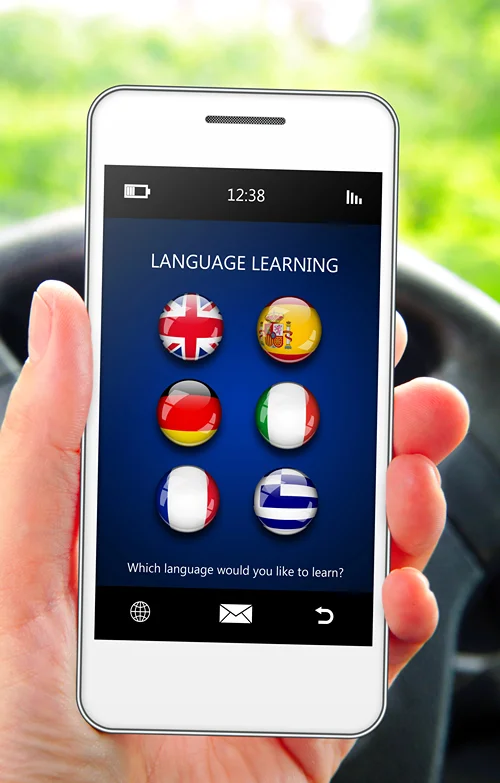
Language learning apps have revolutionized the way we learn languages. Gone are the days when kids had to sit through boring textbook drills. Modern apps use colorful graphics, game-like challenges, and instant feedback that keep young learners engaged. The trick is finding apps that match a child’s age and interests.
Some apps let kids learn through stories, while others use songs or interactive conversations. Parents should sit with their children during those first few sessions to help them get comfortable with the technology. Teachers can incorporate these apps into classroom time, even dedicating just ten minutes a day to language practice.
Look for apps that offer progress tracking so both adults and children can celebrate small victories along the way. Many quality language apps now include adaptive learning features that adjust difficulty based on the child’s performance. Don’t be afraid to try several different apps before settling on one. Each child responds differently to various teaching styles and interface designs.
Connect Language Learning to Real Digital Activities
Here’s something many people miss—language learning works best when it connects to things kids already love doing online. Does your child enjoy watching videos? Switch on subtitles in another language or find kid-friendly content creators who speak the target language.
Are they into gaming? Many popular games have multilingual options that provide natural exposure to new vocabulary. When children see a language as a tool to access more of what they enjoy rather than just another school subject, their motivation skyrockets. This approach helps children learn a language efficiently by turning everyday digital activities into low-pressure practice.
Encourage kids to follow social media accounts or channels in their target language that align with their hobbies, whether that’s art, science experiments, or sports. Creating playlists of music in different languages can turn everyday activities like homework time or car rides into learning opportunities. The key is making the language feel like a gateway to fun content rather than a barrier to overcome.
Teach Safe Online Communication Across Languages
Digital literacy means understanding online safety, and this becomes even more important when kids start interacting in different languages. Parents and teachers need to have open conversations about communicating respectfully with people from other cultures. This includes understanding that jokes or phrases might not translate well and could accidentally offend someone.
Setting up supervised language exchange opportunities through educational platforms can give kids real practice while maintaining safety. Teaching children to recognize suspicious messages or scams in any language is also crucial.
Help kids understand that online predators may use language learning as a way to build trust with young people. Establish clear rules about what personal information should never be shared, regardless of what language the conversation is happening in. Practice scenarios where children can learn to politely exit conversations that make them uncomfortable or ask an adult for help when something feels wrong.
Use Free Online Resources That Schools Often Overlook
The internet is packed with free language resources that many educators don’t even know exist. YouTube channels run by native speakers, online story libraries in multiple languages, and virtual museum tours with multilingual guides are all just clicks away.
Public libraries now offer free access to premium language learning platforms through their digital collections. Parents can bookmark age-appropriate websites and create a custom learning playlist for their kids. Teachers can build entire lesson plans around these free resources without straining school budgets.
Many universities and cultural institutes post free video lessons and interactive exercises that are perfectly suitable for younger learners. Websites offering children’s books in multiple languages often include audio recordings by native speakers, helping with pronunciation and listening comprehension. Community groups on social media sometimes organize free virtual language meetups specifically designed for families and students.
Build a Routine That Blends Screen Time with Language Goals
Balance is everything when mixing digital tools with learning. Instead of seeing screen time as something to limit completely, parents and teachers can reframe it as an opportunity for purposeful learning. Setting specific language goals tied to digital activities helps kids stay focused.
Maybe it’s learning five new words through an app before playing their favorite game, or watching one short video in another language during breakfast. Creating a visual chart where kids can track their progress makes the routine feel more rewarding. The goal isn’t to turn every screen moment into a lesson, but to make language learning a natural part of daily digital habits.
Consider designating certain times of day as “language immersion hours” where household devices switch to the target language. Reward consistent practice with special privileges rather than focusing solely on perfection or test scores. Remember that routines take several weeks to become habits, so patience and consistency matter more than intensity during the early stages.
Conclusion
Bringing language learning into digital literacy education isn’t just a nice extra; it’s becoming essential. The online world connects us with people everywhere, and kids who can communicate across languages will have more opportunities than ever before.
By using smart apps, connecting learning to interests, teaching online safety, tapping into free resources, and building sustainable routines, parents and teachers can help children become truly digitally literate global citizens.
These skills will serve them throughout their academic careers and professional lives in ways we’re only beginning to understand. Starting today, even with just one small change, can set children on a path toward becoming confident, culturally aware communicators in our digital age.