Strategies for Hosting an Inclusive Kids Birthday Party

Strategies for Hosting an Inclusive Kids Birthday Party

It’s essential to have strategies on hand for hosting an inclusive kids’ birthday party.  One of the best things about birthday parties for kids is inviting all of their friends to celebrate with them. Of course, you want everyone to show up and have a good time. But that depends so much on whether you’ve ensured the party welcomes kids with a range of needs and backgrounds.

Close to 240 million children are living with a disability worldwide, according to the United Nations. In the U.S., cognitive difficulty is the most common disability among children 5 and up.

It’s wise to conclude that some of your partygoers will be navigating a disability. This makes focusing on inclusivity when planning and hosting your party incredibly important.

The Significance of an Inclusive Kids’ Birthday Party

Living with a disability presents unique challenges for anyone, but especially children. Kids love to play and explore. They’re particularly fond of parties because they get to spend time with friends and have fun. Imagine being limited in doing these things because of a disability.

Unfortunately, that’s the experience for many children. Some activities are off-limits. And they can’t attend events like parties because the places where these events are hosted don’t accommodate their needs adequately.

No child should be excluded from attending a birthday party. You can ensure that no child is left behind at your birthday parties by ensuring they’re inclusive and accommodating to a wide variety of needs.

Practical Tips for Hosting an Inclusive Birthday Party

Hosting an inclusive birthday party requires some extra effort on your part. You’ll need to make sure every aspect of the party is mindful of various disabilities and needs. But it will be worth it seeing every kid thoroughly enjoying themselves at the party regardless of their abilities and backgrounds.

Implement these tips to host a party that accommodates all kids.

Ask parents about accommodations

The parents of the kids you’re inviting are your best source for finding out what needs you need to accommodate at the party. They can give you insight into the disabilities, food sensitivities, and other challenges their child is navigating and how to best accommodate them in a party setting.

Most parents will appreciate you asking, so long as you do it respectfully. Don’t try to pry information out of parents they don’t want to give you. Simply asking for parents to disclose any accommodations their child may require at the party on the RSVP would suffice.

You could also make personal phone calls to each parent if you think that would be more comfortable for them.

Consider unconventional party ideas

There’s usually a lot going on at birthday parties, from games to entertainment like magic shows to eating to opening presents to kids running all over the party playing together. This atmosphere is fun and exciting for many kids.

But those living with physical and cognitive disabilities may find the chaos disorienting and uncomfortable. Instead of a typical party, a unique alternative may serve kids living with disabilities better. Doing something different could be a great experience for your child and the other kids too.

Consider hosting a small weekend sleepover. See what it costs to rent out a movie theater for a movie day. You could host a field day in your backyard with sensory-friendly activities. Or, maybe you have a kid-friendly karaoke night.

Don’t be afraid to think outside of the box for your kid’s birthday party to accommodate all the kids invited.

Choose the right location for the party

One of the most important considerations to make for an inclusive birthday party is where you will host it. The party’s location will absolutely impact who can come and how much they enjoy it.

If you plan to have your party outside of your home, ask how the facility accommodates kids with disabilities. You can use the information you collected from parents to ask questions about specific accommodations. They won’t be able to meet every need. But do your best to choose a place that gets close.

Throwing an at-home birthday party is also an option. You have more control over what happens and how you accommodate the kids’ needs.

Create a sensory-friendly party environment

Wherever you host your kids’ birthday party, creating a sensory-friendly party environment is crucial. Many children live with difficulties processing sensory stimuli. Unfortunately, a party can potentially stimulate all their senses.

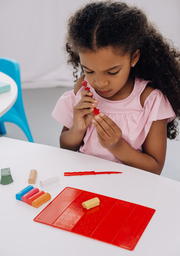
You can be considerate of kids with sensory challenges by keeping noise levels low. Designate quiet spaces in your home. Set expectations with performers beforehand. And offer sensory-friendly activities like crafts and a scavenger hunt.

Have a wide variety of food choices

Around 5.6 million children have food allergies, according to Food Allergy Research and Education (FARE). Because of this, an inclusive party for kids must have a wide variety of food choices. Offer foods free of the most common food allergens, which include milk, eggs, peanuts, soy, and wheat, according to FARE.

You can still offer common party food, like pizza, hotdogs, chips, and dip. But also provide nutritious and delicious party foods for those with food sensitivities and dietary restrictions.

Fruits and vegetables, dairy, and whole grains aren’t just good for kids physically, they’re also some of the best foods for healthy teeth and gums. So, put out a fruit and vegetable platter, whole grain crackers and chips, and string cheese for some healthy alternatives.

Every party you throw for your kids can be an inclusive one when you implement the tips above.

Share This Article

How to Encourage Independence in Dressing: 6 Tips for Teaching Kids

How to Encourage Independence in Dressing: 6 Tips for Teaching Kids

In the journey of childhood development, empowering independence is a key milestone that enables children to become confident, capable individuals. Among the various aspects of daily life where independence can be nurtured, dressing is an important and tangible way to encourage self-sufficiency.

Allowing children to take charge of their clothing choices not only cultivates their decision-making skills but also instills a sense of ownership over their appearance. When parents and caregivers offer support and guidance in this area, they play a vital role in the process of creating a space where children can express their originality through clothing.

This guide explores practical strategies and insights to promote independence in dressing, making room for young ones to embrace their own unique style. Ultimately, it helps to build self-confidence from an early age.

1. Introduce a “Choice Time” Routine

Encouraging independence in dressing starts with permitting children to make their own decisions about what they are going to wear each day. A great way to start is to introduce a “Choice Time” routine that allows them to select their clothes each morning. While offering choices within a designated selection, parents can also guide children in understanding weather-appropriate attire. This promotes a balance between freedom and practicality.

Through this daily ritual, children gain a sense of autonomy and responsibility.  They learn to develop their style preferences and how it expresses individuality. As they become more sure in their choices, what is often thought of as a boring routine becomes a fun and enjoyable aspect of their daily life.

2. Offer Age-Appropriate Wardrobe Options:

Providing age-appropriate wardrobe options is pivotal in supporting a child’s sense of autonomy. Ensure to offer a diverse range of clothes that align with their age, interests, and comfort.

Consider including comfortable girls swimwear for those sunny beach days or poolside adventures.  Add a cute sundresses, stylish shorts, and trendy tank tops. This allows young girls the freedom to express their individuality and fully enjoy their outdoor activities with confidence and style. Empower boys to express their distinctive style by providing a diverse range of clothing choices, from comfortable swim trunks and trendy t-shirts to practical shorts and sporty tank tops.

By respecting each child’s preferences and incorporating their own personality into their wardrobe, kids feel more apt to engage in expressing their unique style. Offering age-appropriate wardrobe options also helps children explore various styles and discover what resonates with them. As kids experiment with different combinations, they develop a deeper understanding of their likes and dislikes, encouraging a strong sense of identity from an early age.

3. Be Patient and Allow Extra Time

Praise and Encourage Self-Expression

Supporting independence in dressing requires patience and understanding. Be patient with children as they navigate the learning process, allowing extra time for them to choose and put on their clothes. Instead of rushing, engage in positive interactions and offer gentle guidance when needed. By making way for sufficient time, dressing becomes an unhurried and enjoyable experience, reducing stress for everyone involved while encouraging independence. Recognizing that learning to dress independently is a skill that takes time to evolve, parents can create a relaxed and supportive environment. As children practice dressing on their own, they are more likely to approach dressing as a fun challenge rather than a source of frustration.

4. Praise and Encourage Self-Expression

Celebrate and praise any effort that is made when a child dresses themselves. Acknowledge their choices and self-expression, even if the outfit may not align with typical fashion norms. Encouragement bolsters their confidence and supports a positive self-image. Emphasize that individuality is something to be celebrated.  This gives them the proper mindset that dressing is an opportunity for creative expression and personal identity. Visit A Little Lacey Website with your child to explore ideas that celebrate individuality through style.

By validating their selections and providing positive feedback, parents reinforce the notion that everyone’s unique style matters, even that of a little girl or boy.  They are each unique and valued for their expression. Affirmation boosts their self-esteem and encourages them to be confident in making future wardrobe decisions.

5. Teach Basic Dressing Skills

We’ve discussed “why” basic dressing skills is vital for growing a child’s confidence.  But let’s not forget about the “how”.  Demonstrate how to put on and take off clothes, fasten buttons, zip zippers, and tie shoelaces. Offering step-by-step instructions and practicing these skills together helps them gain mastery. Gradually transitioning from assistance to independence reinforces their sense of achievement and capability.

Parents can celebrate each milestone, such as the first time they button their shirt or tie their shoelaces, to motivate children to continue honing their dressing skills. As children become proficient in these basic skills, children feel a sense of accomplishment and pride in their newfound abilities, strengthening their belief in their capability to dress themselves.

6. Nurture a Positive Environment for Self-Confidence

Creating a supportive and positive environment plays a significant role in encouraging independence in dressing. Avoid criticizing or making negative remarks about their outfit preferences. Instead, focus on praising their efforts and respecting their individualism. Reinforce the message kids of all shapes and sizes can express themselves freely through clothing, creating a culture of self-acceptance. A nurturing environment raises their self-esteem, empowering them to embrace their fashion choices with pride.

By setting the stage for a non-judgmental atmosphere, children feel more comfortable experimenting with their style and staying true to themselves. When they learn that their thoughts, opinions, and ideas are valued, it enhances their self-confidence and promotes a positive body image from an early age.

Nurture a Positive Environment for a Positive Body Image

To Recap…

Encouraging independence in dressing among children requires consistency within a supportive approach;

  • Introducing a “Choice Time” routine, offering age-appropriate wardrobe options, and praising self-expression all contribute to nurturing a sense of autonomy and confidence in kids.
  • Patience while permitting extra time for dressing, along with teaching basic dressing skills, help children develop practical capabilities and a sense of achievement.
  • Ultimately, fostering a positive environment for self-confidence sets the stage for children to embrace their unique style and express themselves authentically through clothing. This goes a long way to ensure a healthy and positive self-image for every child.

Through these thoughtful strategies, parents can inspire a generation of confident, independent, and self-expressive individuals.

Share This Article

Dinosaur Slippers for Kids: Roaring Comfort and Fun!

Dinosaurs are Roaring Comfort and Fun!

As a parent, you know how important it is to keep your little ones comfortable and happy, especially when they are at home. Kids love imaginative play, and their fascination with dinosaurs knows no bounds. What better way to combine comfort and fun than with dinosaur slippers for kids?

These adorable and cozy footwear options are a hit among children and parents alike, adding an extra element of excitement to everyday activities. In this article, we will explore why dinosaur slippers are gaining popularity, how to find the perfect pair, and some popular choices available in the market.

For example, you can search for the perfect dinosaurs slippers on dinosaur-universe.com. This online shop has a beautiful and vast collection of indoor shoes for your kids!

The Fascinating World of Dinosaurs

Before we dive into the wonderful world of dinosaur slippers, let’s take a moment to appreciate why kids are so captivated by these prehistoric creatures. Dinosaurs represent a time of mystery and adventure, sparking children’s imaginations. Their colossal size, unique shapes, and incredible diversity have always intrigued young minds. By wearing dinosaur slippers, kids can bring these awe-inspiring creatures right into their homes.

Why Dinosaur Slippers for Kids are a Hit

Comfort and Coziness

Dinosaur slippers are designed with soft and plush materials that wrap little feet in warmth and comfort. The inner lining ensures a cozy experience, making them perfect for chilly mornings or relaxing evenings at home. Children can slip their feet into these slippers and feel like they are stepping into the world of dinosaurs.

Adorable Designs

These slippers come in a variety of delightful designs, featuring popular dinosaur species with cute and friendly expressions. From the fearsome T-Rex to the gentle Brachiosaurus, kids can choose their favorite dinosaur companions to accompany them on their indoor adventures.

Educational Aspect

Beyond being adorable and comfortable, dinosaur slippers offer an educational aspect. As children wear their dinosaur buddies, they learn about different species and their unique characteristics. Parents can use this opportunity to engage in educational conversations, nurturing their child’s curiosity about the world around them.

Perfect Gift Idea

Dinosaur slippers make an excellent gift for birthdays, holidays, or any special occasion. They are not only practical but also hold sentimental value, creating cherished memories for both the giver and the recipient.

Dinosaurs for playing

Finding the Right Pair of Dinosaur Slippers

When shopping for dinosaur slippers, keep these essential factors in mind to ensure your child gets the perfect pair.

Size and Fit

Proper fit is crucial for comfort and safety. Measure your child’s foot size accurately and refer to the manufacturer’s size chart to find the right match.

Material and Durability

Look for slippers made from high-quality materials that are soft and durable. Well-constructed slippers will withstand the playful antics of active kids.

Non-Slip Soles for Safety

Safety should always come first. Opt for slippers with non-slip soles to prevent accidents on slippery floors.

Popular Dinosaur Slippers for Kids

Let’s explore some of the popular dinosaur slippers that are sure to bring joy to your little one’s heart.

T-Rex Terrific Slippers

The mighty T-Rex slippers feature ferocious roars and fearsome designs, perfect for kids who love a dash of excitement in their playtime.

Triceratops Tootsies

With three horns and a friendly smile, Triceratops slippers are a hit among young paleontologists.

Stegosaurus Stompers

Stegosaurus slippers offer a unique silhouette with their distinctive backplates, making them stand out in the crowd.

Brachiosaurus Bliss

For those who adore gentle giants, Brachiosaurus slippers are a delightful choice, offering a sense of wonder and awe.

Caring for Dinosaur Slippers

To ensure your child’s dinosaur slippers last long and stay clean, follow these simple care tips:

Cleaning Tips

Machine-washable slippers are convenient for busy parents. Always check the care instructions before washing.

Storage Suggestions

When not in use, store the slippers in a dry and well-ventilated area to maintain their shape and freshness.

Conclusion

Dinosaur slippers for kids combine comfort, cuteness, and learning, making them an ideal addition to any child’s footwear collection. These adorable companions bring joy and excitement to little ones while offering a cozy retreat for their feet. Whether it’s for lounging around at home or embarking on prehistoric adventures, dinosaur slippers are sure to be a roaring hit!

Share This Article

Are Educational Toys Safe for Kids?

Are Educational Toys Safe for Kids?

Educational toys aren’t simply just objects of play: they’re designed to promote children’s intellectuality and stimulate their emotional and physical development. Hence, they’re also called “instructive toys.” While they’re fun and educational, they’re among the reasons many kids are brought to hospital emergency departments.

For example, it’s common for children three or younger to put objects, including toys, in their mouths. If they’re left unattended, this may cause choking. This is why toy manufacturers have to follow guidelines. They’re required to categorize toys for specific age groups.

Not only them but parents should also supervise kids’ play.

Educational Toy Guidelines

Regarding choking, think large to prevent it. Ensure all educational toys and their parts are larger than your child’s mouth so they can’t easily swallow them. Apart from small toys, avoid toys that are:

  1. Loud – may damage kids’ hearing
  2. Projectile, and shoot objects into the air – may cause choking and severe eye injuries
  3. Hobby kits and chemistry sets – may contain dangerous chemicals and cause fires or explosions (only recommended for 12+ years); and
  4. Toxic – may cause poisoning.

Additionally, always follow age-appropriate toy recommendations to ensure their safety. Even if your child seems advanced compared to others of the same age, avoid giving them toys meant for older children. The age levels for toys are neither determined by intelligence nor maturity but by safety factors.

It’s also important to consider a kid’s temperament, habits, and behavior. For example, if they’re curious about the kitchen, allow them to join you when you’re cooking but with safety in mind. Try to shop for Steps2Learning Towers online. Although it’s generally furniture, it can be considered an object of play. It’s convertible from a kitchen tower that kids can use to a table and chair for mealtime, role-play games, art activities, and other fun.

Lastly, always read labels. They tell you what ages the toy is safe for and how to use it correctly. Understand it well since you must teach your kid to play it safely while having fun. When reading labels, note the following general guidelines:

  1. Toys made of fabric must be labeled as “flame-resistant” or “flame-retardant”;
  2. Stuffed toys must be labeled as “washable”;
  3. Painted toys must be labeled that they “use lead-free paint”;
  4. Art materials – must be labeled “non-toxic”; and
  5. Crayons and paints must be labeled with “ASTM D-4236” on the package. It means the product has been tested non-toxic and non-hazardous by the American Society for Testing and Materials.

shop for Steps2Learning Towers online

Benefits of Educational Toys

Educational toys help improve children’s learning in many ways. They can develop kids’ logic and problem-solving skills, encourage communication skills, refine motor skills, and nurture their creativity.

Specifically, here are the common skills kids can gain when playing with educational toys:

  • Sensory Skills – Playtime helps kids develop their sense of sight, hearing, and touch. For example, toys like crib mobiles and interactive toys can provide tactile sensations to babies, stimulating their senses from all angles.
  • Motor Skills – As babies, toddlers, and older kids grow to explore the world around them, developing their fine motor skills (their ability to make movements using the coordination of their small muscles) is important. Grasping, crawling, balancing, walking, and other motor skills are integral for their physical strength and movement development.
  • Language Skills – Toys that can teach the alphabet, pronunciation of words, and vocabulary can help build and develop your kid’s language communication skills. They especially help toddlers learn words daily, which can promote their language development. However, as stated, opt for toys that aren’t too loud to prevent your kid’s ear damage.
  • Problem-Solving Skills – Toys aimed at problem-solving help kids determine what’s wrong when something doesn’t work. These enable them to be open-minded, be more aware of their surroundings, identify issues and possibilities, and solve problems.
  • Creativity and Imagination Skills – Children are already incredibly imaginative, and toys can help expand children’s imagination even more. Most educational toys are designed to further support kids’ imaginative play and creative thinking in kids.

More importantly, children who aptly develop the skills mentioned above are found to be likely to have their intelligence quotient (IQ) increase gradually. Besides skill development, educational toys are helpful for kids’ concentration and their development of social and emotional skills. Their fun part also helps improve the retention of their practical skills and detailed learning.

Are Educational Toys Safe for Kids?

Educational toys and other kinds of toys are made safe. Most countries monitor and regulate them. For example, if you’re from the United States (US), the Consumer Product Safety Commission (CPSC) mandates all manufacturers to follow their safety guidelines.

CPSC doesn’t allow toys on the market unless they’re tested safe and labeled appropriately. They also provide safety advice on how to buy the right toys to parents. Follow their age-appropriate toy recommendations to ensure your kids’ safety and learning.

Final Thoughts

As parents, safety is your top priority when buying any kids’ toy. You can easily achieve it by researching the right toys at the right ages online and reading the labels to ensure they follow the government’s recommended safety standards. If unsure, it also pays to seek professional advice.

Share This Article