VPN Explained for Dummies | Is a VPN Necessary?

Should You Have a VPN

Ok, you are NOT a dummy.  This is simply an article that explains VPNs in simple terms.  VPN services are not well known to the average person. For those who are aware of what they do, VPN services are often given a bad rap. We’ll explore and answer questions and concerns. We’ll also define what a VPN does and look at the online safety benefits.

For many people, the biggest risks appear on laptops and PCs used at home or work, not just on public Wi-Fi. Windows computers can leak sensitive data through unsecured connections, background apps, or browser tracking—even when you think you’re protected. A practical way to cut these risks is to keep your PC secure with VPN for Windows, which encrypts your traffic and helps mask your IP so websites and internet providers can’t easily profile you.

On Windows, look for essentials like an automatic kill switch and auto-connect on untrusted networks, so protection stays on even if the connection drops. With these basics in place, you get safer banking, private browsing, and fewer location-based restrictions without changing how you use your PC.

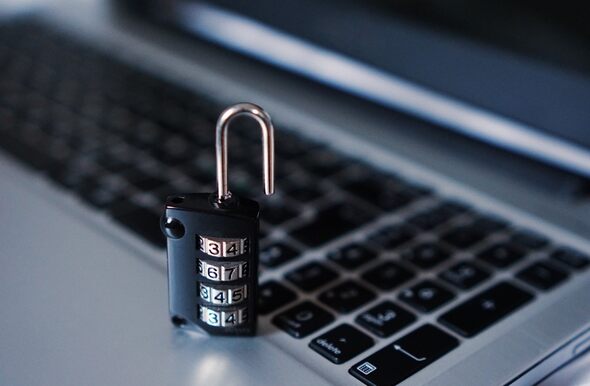
VPN is short for Virtual Private Network.  It’s main security function is privacy protection. The privacy obtained through this private network is one of the reasons VPN’s get a bad name. However, when it comes to cyber security, personal privacy protection is a cornerstone of Internet safety. The need for effective solutions is growing.

How Does a VPN Protect your Privacy?

A VPN hides your location and makes it look like you are located somewhere other than your actual location.  You can choose the country and available locations within that country that you want it to appear you are accessing the Internet from.  One of the most practical places you would want to hide you location is when surfing public WiFi.  There are security risks regarding your personal information when logging on to public WiFi.  Firstly, never log on to a public WiFi unless there is an official verification of you as a user.

For example, when logging on to WiFi, such as an airport’s official free WiFi service, it will ask you to agree to certain terms.  This identifies yourself to the airport WiFi providers as well.  It also identifies others using the service.  This still won’t stop hackers from being able to anonymously spy on your lap top or phone.  Using a VPN will hide you from potential hackers who may be sitting just a few feet away from you. A VPN also works on iPhone, even though they are generally considered to be more secure devices than Android phones.

Regardless of your device, if you are using public WiFi without a VPN you should restrict your internet usage to activity that does not involve logging into personal accounts, such as banking.  Even on secured public Wifi in a libraries or hotel, where you are required to enter a password, these networks are still no match for a hacker who wants to hijack your laptop or mobile device.  There are many other reasons why people use VPN’s. which we will explore.

Why Do VPN’s Get a Bad Rap?

If a VPN hides your location, then the assumption is that you are going to do something illegal.  True, VPN’s may be used by criminals who do not want authorities to see what they are doing online.  There are other activities that VPN’s are used for that are not necessarily illegal or have drastic legal ramifications, but many deem them as unethical.  These include streaming services such as NetFlix, Disney Plus, and Amazon Prime.  Streaming services only have the rights to show certain movies and TV shows in particular countries according to agreements with the copyright owners of that material.  If you pretend to be from a different country, would would gain access to entertainment that normally is not allowed in your country.

Additional Uses of a VPN

There are many legitimate reasons people want to sign up for a VPN on their computer, lap top or mobile phone.  We mentioned protection while using public WiFi already.  Here are a few more.

VPN Protection in Countries that Limit Personal Freedoms

If you live in a fully democratic country, you will be enjoying freedom to speak your mind or write about thoughts and ideas without suppression or persecution from your government.  There are countries that limit this in different ways.  These include; totalitarian regimes and communist countries that are highly restrictive, failed states and countries of great political unrest, as well as pseudo democracies that suppress political opposition and limit access to information to control it’s citizens.

These countries also block legitimate websites to keep people from reading ‘fact based’ news, as opposed to state propaganda. They censor information online and there can be great consequences for journalists and bloggers who seek to expose government injustice and stand up a free and open society.  Even a regular citizen in a restrictive country can go to jail for posting a protest message on social media.  For these reasons, a VPN can protect individuals from being located and charged with doing something that is illegal in their own country, but is highly regarded as noble and just in a democratic country.

Protection from Hackers

Apart from the legal and seemingly innocent tracking that websites and internet service providers do while you are surfing the web, we can’t forget about the risk of being hacked.  Every home should have a proper firewall set up and every computer should be running proper Internet security.  Regardless of these protections however, hacking of your computer and the stealing of your private information can still occur at home.  A VPN hides your IP address so a hacker can’t find you.

VPN’s Prevent Swatting and Doxxing for Gamers

This is a scary one.  Swatting is when a fellow gamer online reports your to local police in your area and commits a most horrendous prank.  Or they may do it to get back at you for beating them at a game or just to be mean.  They will call the SWAT team to your home claiming there is hostage taking or that someone has a gun and threatening people.  The unbeknownst gamer in your family and anyone else at home is shocked when SWAT (Special Weapons And Tactics) shows up and hauls everyone out of your home in handcuffs.  Sometimes the outcomes of a swatting call are much worse.

The FBI reports that there are over 400 cases of swatting in the USA every year.  New technology has evolved that has expanded swatting from the home to public areas.  A VPN protects gamers at home and anyone out in public.  Video game players with a VPN turned on can rest easy.  If they get on the bad side of another gamer half way around the world, those bad eggs won’t be able to detect where you live.  Doxxing happens when gamers post the personal information of other gamers online, which opens them up to further privacy risks when using social gaming networks.

Protection Against Cyberbullying:

We would not say that getting a VPN is a primary solution if a child is being cyberbullied. If you are having a serious problem and threats are involved, call your local police.  In extreme cases, having a VPN even for a short time can prevent bullies from finding out where you live until bullying issues are resolved.  The same is true for online predators.  Proper guidance and parental controls go a long way to protect kids online, but if you are dealing with a situation where a predictor may be attempting to stalk your child at home or at school, a VPN will stop that.

Business Protection

Most businesses do not have a lot of extra dollars to hire full time IT personal to protect their data.  A monthly subscription to a VPN is relatively affordable and manageable within a companies budget.  Businesses big and small will have 24/7 privacy protection that anti-virus and malware protection can’t provide.  Hackers need an IP address to hack any home or office.  This is includes hacking Microsoft 365 accounts.  Also, consider all your employees traveling the world and putting company data a risk.  Another benefit while traveling is the ability to access company files in countries where the internet is restricted.  Businesses can connect their VPN to the good router where all employees can use the service with only one account.

Alternatively, business may use residential proxies to filter residential IPs by country, city or ISP.  They use residential proxies to effectively monitor their online advertising to ensure ads are showing properly anywhere in the world.  Businesses are also able to gather prices from competitors, improve market research, and for social media management.

VPN Protection from ISP Tracking

Your internet service provider (ISP) collects your data and can often sell your personal information for advertising purposes.  This is legal but many protest that this is an invasion of privacy.  Most people are not concerned about it because internet service providers are not out to hurt you.  Though the threat does not appear imminent, your private information is still exposed to third parties.  Opening a new private window in your browser, also known as incognito mode, is not as secure as you think.  It does not hide your personal information from your IPS.  It merely blocks cookies from being saved and prevents websites from collecting your data as a user.  This can help you save money while shopping (more about that in our next point) but it does not provide full privacy.

Using VPN’s for Online Shopping Freedom

As alluded to in the previous paragraph, you can activate privacy mode in your browser to ensure you are not overpaying for products. This is especially true for airlines.  They want air travelers to pay the highest price possible for a plane ticket.  They will increase prices for customers they think will pay more and also reduce prices for those who are only willing to pay less.  Hiding your location and private information results keeps these websites in the dark about browsing history and buying habits.  For this reason, using a VPN for online shopping does a much better job of protecting you from over paying for products and services.

It also allows you to shop more easily while away from home.  Let’s say you are in another country and want to buy a product to be shipped to you by the time you return home.  Setting your location to your home country will allow you to shop as if you were there and not be subjected to different prices or shipping restrictions because the website thinks you are a foreigner.

Is a VPN Necessary?

Unfortunately, even though human rights have grown in democratic countries in many ways, a lack of privacy seems to be diminishing.  Or at least we are just become more are of the need to deal with these privacy issues since it has been in the news a lot lately.  The fight is on in developed nations to push back against the invasion of privacy that Internet companies, various websites and even social media platforms use to influence users and increase profits.  Laws need to be strengthened to make protection universal.

What is discouraging however, is the increased restrictions in old regimes.  While social media networks have been accused lately of neglecting the privacy of it’s users, no one can deny what a great tool it has been for people in corrupt countries to band together and oppose their governments for freedom that many of us take for granted.  This was first seen with the Arab Spring.  Today, oppressive countries are clamping down even harder to restrict their citizens from the having the freedom of ideas and communication that the growing power the Internet brings.

Even with proper laws in place for privacy protection, the world will always need Virtual Private Networks (VPNs) as long as there are hackers, predators and corrupt governments in power. Software companies and computer hardware manufactures will continue to improve security to make your personal data more secure.  Using an SSL proxy is another solution, but it is much more complicated to implement.  Subscribing to a VPN that hides your location is the best user friendly option to complete protection from everything we’ve mentioned in this article.

Related Reads:

Ransomware Protection
How to add VPN extension to chrome

Share This Article

What to Do If Your Child Is Being Bullied: Single Parent’s Guide

Single Parent Guide with Bullied Child

“I am a single parent, and my lovely kid is being bullied at school. Is my status as a single parent the main reason for a child’s violence? How can I stop bullying? Are there resources available to assist me in helping my child? ” Many threads on parenting forums begin like this.

There are many ways you can help your children cope with cruel treatment. However, to provide the correct aid, you first need to understand the true bullying nature.

What do the statistics say?

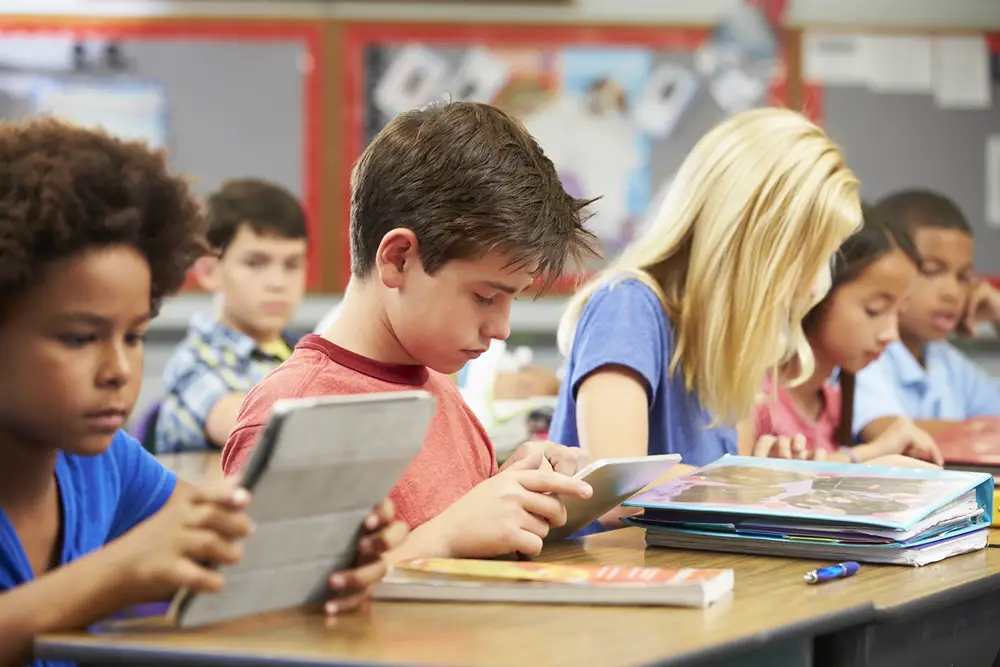
According to the National Center for Educational Statistics, every fifth child (20.2%) reported being bullied at school. And many of them think the bullying will also continue after graduation.

The constant exposure to bullying at primary school and high school can traumatize the mental health of children. As a result, kids become fearful, depressed, have low self-esteem, and have sleep difficulties. Also, when a child is being bullied for a long period, suicidal thoughts may appear.

Students from different states ages 12-18 indicated that they had been subjected to different types of bullying, including:

  • Threatened with harm – 3.9%;
  • Destroying of the property on purpose – 1.4%;
  • Being the subject of lies or rumors- 13.4%;
  • Shoved, pushed, spit on, or tripped – 5.3%;
  • Being made fun of, insulted, or name-calling – 13.0%;
  • Exclusion – 5.2%;
  • Others tried to make them do things they did not want to do – 1.9%.

The males are more likely to be subjected to physical violence, and females are often subjected to verbal (rumor) violence. But not all parents are aware of this.

The bullying symptoms and why it happens

Schoolchildren rarely speak openly about their problems to their parents for fear of condemnation and that the situation will worsen.

Typical bullying symptoms include emotional and physical complaints such as worries, fears, and tummy aches. In addition, the kids do not want to go to school for some reason. In such a way, kids try to avoid things that are making them stressed.

Childhood society is like a wild jungle, where everyone learns to survive, coexist, and defend themselves. In this case, the herd instinct is triggered. It pushes children to group together in search of protection. As a result, a sense of security gives confidence and the ability to defend their interests. After all, there will always be someone who will cover your back.

When someone is different or does not fit into the framework of the already established order of the children’s society, we have bullying. “Weaks” under the protection of a strong leader will attack the “black sheep” with a special effort. Why? They may also have a fear of being in the victim’s shoes.

Anyone can become a black sheep – the child is an excellent student, too beautiful, an orphan, poor, not talkative, or just happened to be in the wrong place at the wrong time.

Below are practical tips and advice for what you can do when your daughter or son is being bullied at school.

Tips How to Teach Your Child to Deal with Bullying

Avoid Wrong Attitudes

While giving guidance, people want to do what is best. But often, it leads to misunderstanding or alienation between the child and the parent. As a result, the child can retire into their shell and stop sharing their problems with a single parent.

To help your child deal with bullies, you should avoid such bullying myths:

“You need to learn how to resist bullies.”

Children who tell their father or mother about bullying are looking for support first. They may be upset and depressed. Therefore, it is not necessary to say that they have to cope with the situation independently. If a child asks for help, they can not do it alone.

“Words will never harm you, unlike sticks and stones.”

You shouldn’t underestimate the power of words. Unfortunately, sometimes the consequences of name-calling can cause mental pain for many years.

“We all went through it, and we’re fine.”

Bullying is not the behavior norm. It can lead to long-term negative mental and physical health effects. Many adults who were frequently bullied during their school years have PTSD.

“You have to stand up for yourself and fight back when you are bullied.”

Violence breeds violence. A bully fight can make the situation worse and hurt your child. Also, responding to bullying at school may cause your child to be punished for school disturbance.

Use a Strategy for Dealing with Bullying in School

When teaching children to handle bullies, a single parent first needs to explain how to respond to bullying appropriately:

  • Don’t expect to be mistreated from the start. It would help if you were not wary and belligerent towards the new group of children. Instead, it would be best if you treated others the way you want others to treat you.
  • Don’t let the bully make you feel bad. Ask, “So what?” You are not a hundred-dollar bill to please all. There will always be someone who doesn’t like something about you. However, this does not mean that you do not have positive traits. Always keep your benefits in mind.
  • Disarm the bully with humor. Laugh at their name-calling or threats, and then leave. Are they trying to hurt you by pointing out your flaws? Instead, show that you can laugh at yourself and accept your weaknesses.
  • Tell the bully how you feel and what you want them to do. Sometimes, when peers use name-calling, they do not think it can cause the victim severe emotional pain. For little hooligans, this is just entertainment. So express your feelings about name-calling or other types of bullying in a calm and confident voice.

Bullies often want to assert themselves at the expense of the victims because they look stronger and more authoritative. However, they do not yet realize that fear does not equal respect.

Take more serious action to stop bullying

If your children are being bullied every time they go to school, you should cooperate with the administration and other parents to improve the situation. Also, it would be more helpful if you prepared your child to make intelligent choices and teach them how to act if they experience or see someone being bullied.

Step 1. Talk to Your Child

First, talk to your child about the situation. You should find out how long the bullying has taken place, who the bully is, the reasons for the bullying, and how it all started. Also, avoid extreme reactions and judgments. It will help if you do not make hasty decisions until you see the whole picture.

Step 2. Report About Repeated Bullying

If your child is afraid or unwilling to report bullying on their own, you should go with them. Talk to the teacher, psychologist, and school principal to help resolve the situation under the school policy against harassment. If necessary, contact your family therapist, police officer, or specialist organizations such as Olweus Bullying Prevention Program (OBPP), Stomp Out Bullying, and National Bullying Prevention Center to help stop bullying.

Step 3. Contact the Offender’s Parents

Working as a team is a smart way to deal with peer bullying as soon as possible. As a parent of the victim party, you should call or email the offender’s parents to resolve the issue together. But, in no case should you accuse them of the improper upbringing of their child.

Step 4. Cooperate with Your Child’s School

Teachers may not know that your child is getting bullied at school because no one tells them about it. Let them know about any bullying that has happened, and feel free to suggest anti-bullying programs to add to school policy. Although many schools already have similar policies, they still lack resources and support from the community and parents.

Step 5. Teach Coping Skills

If your child is being bullied, remind them that it is not their fault, and you will always be on their side and ready to help. Children of all ages need to define their feelings to tell their parents about what happens.

Final Word

Unfortunately, bullying at school is a common issue. Therefore, as a single parent, you should prepare your child in advance to avoid harassment from peers. Become an example for your child of how to get along with others. It is also essential to help them develop positive body language because our body unconsciously indicates our inner state and attitude towards others.

by: Natalie Maximets

Natalie Maximets is a certified life transformation coach at OnlineDivorce.com. She has expertise in mindfulness and sustainability. She is a published author focused on the most progressive solutions in the field of psychology. Natalie helps people go through fundamental life challenges, such as divorce, and build an entirely new life by reframing their personal narrative.

Share This Article

6 Ways To Improve Children’s Learning Skills Outside School

Children Learning Outside the Classroom

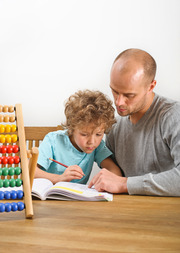
Your children’s education should be more than getting straight A’s or enhancing their memorization skills. Education isn’t only limited inside the school premises. Instead, their learning must also continue even outside the classroom. You can motivate your child to keep learning everywhere, everyday. It’s a lifetime pursuit that continues even when they’re older.

Learning skills are practices one can utilize to be successful in life. But how can you foster the importance of learning so children embrace it with a positive attitude? To get started, here are six ways you can help improve your children’s learning skills outside the school:

Feed Curiosity Through Sunday School

You can encourage your kids to participate in Sunday school sessions during the weekend. Sunday school is full of unique stories that pique most children’s curiosity, a factor in enhancing their creative skills. They will be introduced to Sunday school teaching materials that they wouldn’t normally see in their regular school. Examples are worship storybooks, mystery puzzles, and temple crafts.

The more children are exposed to storytelling, the more they develop their imagination and creativity.

Hit Multiple Learning Skills With Baseball

Starting at age seven, your kids can be signed up for your neighborhood’s baseball program. This is a great sport to help kids improve their motor skills while get much needed exercise. But it doesn’t end there. Baseball touches a lot of life skills and learning skills including teamwork, situation analysis (assessing challenges and opportunities in the field), and decision-making (whether or not to commit interference).

Strategy development (researching and analyzing for potential ways to win in future matches) can be introduced to children who’s inclined to watch footages of their game play. This can also be applied to other team sports your kiddos are interested in, such as basketball, soccer, and hockey.

Moreover, focus can be largely improved if your kid practices hitting a target during this fun activity. A simple pitching net could help them work on their precision and concentration a lot. You can even mark it with colors and set a challenging game of earning points. This will further motivate them to improve their skills and have fun at the same time.

Organize A Day For A Food Factory Tour

If there’s a food factory nearby, and if they conduct tours to their production facility, grab the chance to visit. Kids will love candy and chocolate factories, but you can also consider tours offered by makers of other food products. Factories have equipment and setup that kids don’t typically see. And when they get to see how the chocolates are made, with precision, timing, and speed, they are indirectly introduced to a handful of organizational skills.

Organizational skills are habits that make one’s performance of tasks effective and efficient. The concept may still be very new to children but watching the systematic production at work at the factories may give them insights into many components of this skill set. Example components are time management (prioritizing activities), schedule planning (putting tasks in the most practical sequence possible), and productivity (getting things done).

Solve Puzzles At A Toy Convention

Did you like playing with interlocking plastic bricks as a child? Your kids may do, too! If there is a major convention or even just a private fair of this particular toy in your area, you can definitely head out there with the whole family. Building blocks and bricks teaches a couple of learning skills to children.

Creative abilities they can enhance are problem-solving, innovation, open-mindedness, and repurposing (coming up with many uses of a particular thing). Critical thinking skills they’ll start applying can be paying attention to detail and thinking analytically. By teaching them these 21st century skill sets, you can put them on a path to becoming sought-after professionals when they become adults.

Find Meaning In Pet Shops And Volunteer Work

Put a cat in a child’s arms and watch that kiddo’s face light up. A dog can have the same effect. Bringing your children to the nearby pet shop can strengthen your kids’ connection to others. The same can be said about volunteer work. Look up age-appropriate volunteer programs in your area.

Examples are cleaning up around the neighborhood, supervised working at soup kitchens, homeless shelters, and animal sanctuaries, and teaching other children if your kiddo is academically inclined. Allowing your kids to have these experiences early on will reinforce their communication skills, two of which are empathy and respect. Aside from these, working with their peers and adults teaches them reliability, task delegation, and engagement. These are significant collaboration skills they can continue to train in themselves as they grow to adulthood.

Gaining Higher Order Thinking Skills At The Library

A child comes out to this world, and they start to have unique personalities. If your elementary schooler is the reading type, spend time with them at the library. They’ll feel quite at home in the quietude of its halls. Let them go to the books they’re interested in, with your supervision, of course. Pick something you like, too, so you can sit beside them while both of you silently read on your own. Or read the same book softly together, if possible.

Reading at a young age gives a lot of benefits not only in terms of expanding your kiddo’s vocabulary, diction, and perspective, but also in higher order thinking skills. Examples of components within this latter skill set are critical thinking (questioning the truth of concepts), inferencing (using reason to get to conclusions), and evaluation (testing the credibility of claims). All are important learning skills.

The Takeaway

Learning is a never-ending journey, and it’s something everyone should do. With these tips, you can create an environment that will stimulate your children to keep learning and stay curious.

Explore 8 ways to support your kids in school.

Share This Article

6 Hygiene Tips Children Should Follow at School

Hygiene Tips for Kids

Worried about your child catching a virus while in school? Most children are not as conscious about personal hygiene as they should be, which further increases their risk of illness. Teaching your kids the importance of proper hygiene will greatly help protect them from various illnesses like cough, cold, and fever.

Talk To Your Kids About Hygiene

One way to help our kids thrive in school is to keep them healthy. Teachers often discuss proper hygiene in the classroom, but it’s crucial for parents to constantly remind their children about it.

With some practice and a little guidance, you can help your child develop healthy habits wherever they go.

Tell them why hygiene is necessary and how they can get sick if they don’t practice them regularly. It can be difficult to get a child’s buy-in when it comes to health and wellness, so a little creativity can help.

For example, you can read them stories about hygiene to help them understand the cause and effect of practicing it.

Hygiene Starts With The Hands

Children can easily get exposed to germs and viruses when touching dirty surfaces and putting their hands on their faces.

One way to stop the spread of infections among schoolers is hand washing. It’s one of the most important hygiene habits that you should teach your child as early as possible.

Teach your child to wash their hands thoroughly with soap and water for at least twenty seconds.

Remind them to wash their hands before and after eating, after using the toilet, coughing or sneezing, or when playing on the school ground.

Let them carry a hygiene kit to school which contains antibacterial soap, wipes, hand sanitizer, and alcohol. In case they are not able to wash their hands, instruct them to apply hand sanitizer or alcohol.

Keep Hands Away From Eyes, Nose, And Mouth

Educate your child how germs can enter their body so they can keep their hands away from their eyes, nose, and mouth. Now, this can be a tricky habit to learn so you have to constantly remind them.

Provide your kids with tissue or a handkerchief they can use to scratch an itch without touching their face directly. Alternately, tell them they can only touch their face after hand washing or sanitizing their hands.

Also, try to keep their hair out of their face. Stray hairs tickle the face, causing an urge to touch their face frequently.

Limit Use Of Shared Objects

While you want your children to develop the value of sharing and caring, you also want to make them understand how germs and bacteria can spread quickly when they are touching surfaces and sharing objects like art supplies, cell phones, food, utensils, pencils, and personal items like combs and face towels.

If sharing snacks, pack them in separate ziplock containers so your child can just hand them over to their friends.

Cover Nose While Coughing Or Sneezing

Always remind your child to cover their nose and mouth when sneezing or coughing with tissue. Encourage them to use a handkerchief or wear a face mask.

Don’t forget to teach them to properly dispose of tissue and face masks, and then wash or sanitize their hands after.

Stay Home When Sick

If your child has a cold, cough, or fever, let them stay home and rest. They should also stay home if they have a contagious disease. It’s very hard to stop the spread of illnesses, especially in a school classroom where children are seated close to each other and are continually touching surfaces.

Disinfect Frequently Touched Surfaces

Teach your kids the right way to disinfect cell phones, tablets, water bottles, and other personal belongings regularly, especially once they arrive home. Consider spraying their bags and shoes with disinfectant too.

Give your child a ziplock bag where they can put used clothes, food containers, and other dirty items that need to be washed and sanitized at home.

Conclusion

Prevention is better than cure. Remind your children that although germs are not visibly present, they are everywhere – from air particles to frequently touched surfaces. Thus, they have to be extra conscious about proper hygiene so they won’t get sick and have more time for play and school.

Read about best hygiene practices in childcare.

Share This Article