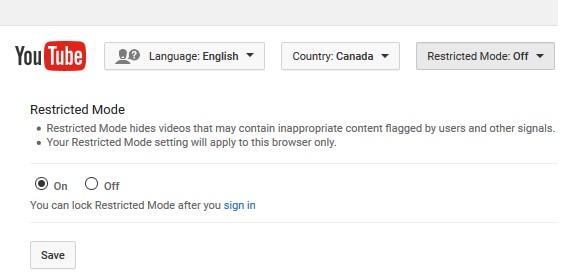
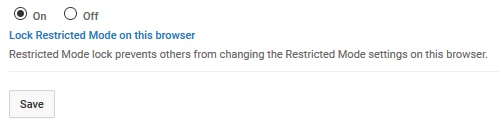
You don’t have to be a computer savvy parent to begin making sure your child is searching the internet with proper filtering. We provide filtering of Google that blocks all bad content in your kids search results. This works well for schools and it’s a good start for parents at home. Still, the FamilyTime parental control app is recommended to keep kids safe online.
Apart from Google search, even if using a strict internet filtering, kids searching the web without a parental control app installed will be able to go directly to any website that one of their friends may have told them about. There are also social media concerns, such as cyberbullying, online predators or inappropriate images.
Parental Control App
Try FamilyTime: Complete Parental Control App
School administrators can explore parental controls for schools to bring the same filtering and monitoring features that parents enjoy at home. The ability to protect entire classrooms from dangers online is a game changer.
FamilyTime Internet Controls for Schools
For use on all devices (Windows, Mac, laptops, Androids, iPhones, Tablets, Chromebook, Kindle): Online Safety for Students
Safe Search Kids endorses these parental control app solutions according to the needs of your individual family. Multiple features provides the tools needed to keep kids of all ages safe online. For starters, they have robust internet filtering to ensure harmful websites are blocked. Parental controls also have an app blocker to give parents (and now schools) full control over what apps they allow their kids to use.
And what about harmful texts, such as the sending of personal photos that are best kept private? What about the innocuous threats, including too much screen time and time spent online late at night while kid should be sleeping? There are a wide variety of threats online and a search engine cannot control all of these issues. It takes parental controls for complete safety online.
The FamilyTime Parental Control App for Families
Parental control features include:
- SOS / Panic Button – get instant alerts when family members are in danger.
- Control screen time – custom set limits according to each child’s age.
- Family Pause – lock your child’s phone instantly from your parental dashboard.
- Set internet usage schedule – set daily and weekly time slots.
- Teen Safe Drive – be notified when drivers in your family speed.
- Control Contacts – access your child’s contact list and get alerts when they are contacted by someone who you have restricted.
- View Call History and remotely monitor texts sent and received.
- Track Web Browsing History – in addition to web filtering to prevent harmful websites you can see what sites your kids are searching for what sites they frequent.
- Control Installed Apps and Block Apps your won’t allow for each family member. Review how much time is spent on each app.
- Monitor which websites your kids are bookmarking.
- Pick Me Up Alerts – be notified when it’s time to pick kids up from school, the mall or a friends house.
All of these parental control features work in the background to keep kids safe their devices wherever they go. Location history is always tracked. At any time you can see where your kids have been and where they are presently. Set up Geo Fences to be notified when they leave certain areas.
View all the places they visited over a period of time. Check all details like time and complete address to ensure their safety. Instantly check where any family member is on a map.
Parental Control App for iPhones, iPads, Android and Amazon devices
Parental control apps make it easier for parents to take control of their kid’s activities online, maintain their kid’s safety, manage their kid’s times on all devices, as well as manage their own time more effectively so that they can continue to do what they do best: Parent.
Effective Parental Controls include Web filtering including keyword and phrase filtering. The latest in app blocking or the setting of specific restrictions on apps like Snapchat. Monitor and manage users real-time activity. Easily access centralized management of multiple children on multiple devices, including iPhones, Android phones, tablets and Amazon (Kindle Fire).
Parental Controls becomes the “bad guy” monitoring your kids’ activity. While it blocks bad content and controls usage, it also puts the onus on your child to be responsible for what they do online. Individual levels of freedom can set up according to age and times of day. Read about how parental control apps can even encourage good driving habits with driving history reports.
Parents and guardians will also enjoy a slew of product enhancements, including:
- Chat filtering for texts and messaging apps.
- Security options to block system changes on computer.
- Alert notifications by email or text, such as when new apps are installed.
- Invisible / stealth operation. (Works in the background so it doesn’t interfere with device performance)
- Real-time tracking of users whereabouts and whether they are online or not.
When it comes to maintaining the safety and innocence of children, the Internet isn’t just a search engine anymore. So many other elements are needed in an effort to keep kids safe online. Not to mention, the more time parents spend managing screen time restrictions, social media friends, texting and photos – the less time parents have to focus on building a stronger relationship with their child.

It’s not enough to simply turn on safe search. A trusted parental control App is necessary to fully protect kids online, including filtered web search and monitoring of social media and app downloads. It not only ensures that kids stay safe, parental control software can help build character in kids to make the right decisions on the internet.
As a parent, you no longer have to play the “guessing game” as to what their kid searches for online, who their friends are, and whether they are actually studying for that history project or just killing time on TikTok or playing games.
Beware of Fake Calculator Apps
There are apps on the app stores that hide other apps by masking themselves to look like a calculator. These are known as fake calculator apps or calculator vault apps. You can manually check for these apps on your child’s phone through various methods. Checking the app memory size will help determine if there is a larger hidden app behind it, such as a social media app or worse – a dating or chat app. Calculators shouldn’t be any larger than 30 MB in size.
Does your child have more than one calculator on their phone? This could also be a tell. Search the name of the calculator on Google or in the app store on their device to see it’s a legitimate app created purely for multiplication and addition. Parental controls takes the guess work out of troubling trends such as this. They ensure you are remain fully aware of what apps your child is downloading in real time. It’s one of the standard monitoring features. It also prevents kids from downloading apps and hiding them through other means that smart phones allow users to do.
Monitor Kids Texts
The latest development in the wide variety of parental control apps available is the the ability to monitor kids texts. At first mention this seems to be a severe invasion of kids privacy. To clarify, what is being monitored is the detection of suspicious texts your child may be receiving. You won’t have to peer into every conversation your kids are involved in. Just like the monitoring of websites and social media activity, you will be notified of potentially harmful texts when they happen. Or, if you notice your child is acting unusually upset after checking social media or receiving text, you can go into you parental control app dashboard a look at it.
It’s good practice for parents to give their kids the freedom they need online within safe boundaries a parental control app sets up. Let them know you are not watching their every move but with parental controls in place you will be notified when a line as been crossed. This helps your younger child or teen learn responsibility while interacting with others online.
Do you Know? (Internet Use by Kids)
Do you know what your kids are looking at online? 41% of U.S. teens say that their parents have no idea…
Do you know how often your kids frequent social networking sites? According to the Norton Online Living report, 76% of U.S. teens ages 13-17 are “constantly” or “frequently” visiting social networking sites.
Do you know if your child has been contacted online by a stranger? 16% of U.S. children have been approached online by a stranger. Is your child one of them?
What is YOUR Internet Monitoring Strategy?
You can rely on the search engines or safe search apps for filtering services, but they are not designed to include social media, app usage or screen time monitoring. It’s more than parental controls in the present, it’s about equipping kids to responsibly navigate the world wide web safely long after they grow up and leave home.
The Power of Parental Control Apps
- Discover how much easier it can be to have the FamilyTime parental control app controlling internet access for every user in your home according to their age.
- Enjoy reduced stress no longer having to hunch over your child’s shoulder monitoring their online activity or asking for their phone to search for bad apps.
- Parental focus and peace of mind can be restored knowing that full control is within your fingertips via an app or on any computer.